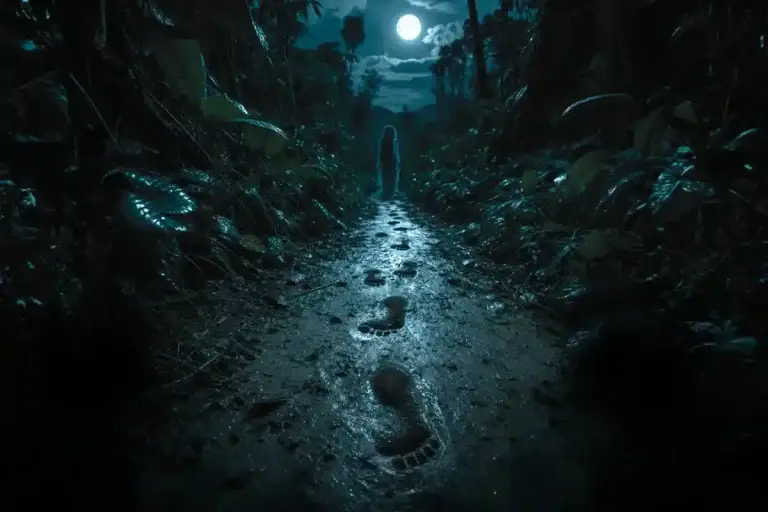
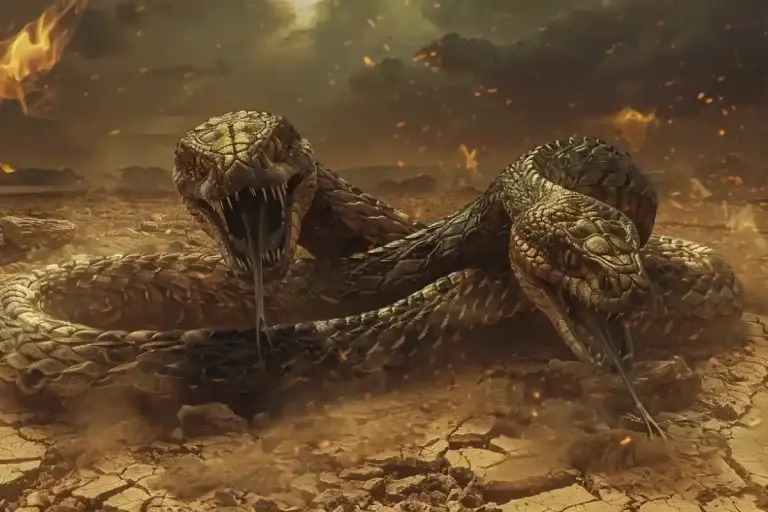
Draugr are violent undead figures from Norse mythology, rising from their graves to guard wealth and punish the living. Retaining physical bodies and supernatural strength, draugr represent the terror of death denied rest and the consequences of greed beyond the grave.
The Draugr, or Draugar, are one of the most fascinating creatures of Old Norse mythology, embodying the fears and beliefs of Viking-era Scandinavia. These undead beings, often depicted as bloated, blue-skinned revenants with glowing eyes, were thought to guard their burial mounds, hoard treasure, and terrorize the living.
With superhuman strength and shapeshifting abilities, they were far from ordinary ghosts, serving as cautionary figures in myths and sagas like Grettir’s Saga. Today, Draugar continue to intrigue us through folklore, literature, and pop culture, blending horror, history, and a touch of dark humor.
The Draugr: Ghostly Guardians of Norse Mythology
Table of Contents:
- Introduction to the Draugr
- The roots of the Draugr myth
- Why the undead fascinated the Norse
- What is a Draugr?
- Physical appearance and characteristics
- Unique abilities
- Behavior and Activities
- Treasure hoarding
- Harassing the living
- Shapeshifting
- Historical Context
- Draugar in Norse sagas
- Morality lessons and their cultural significance
- Regional Variations
- Icelandic haugbúi
- Sea Draugar and their maritime hauntings
- How to Handle a Draugr
- Preventive burial practices
- Combating the undead
- Lessons learned from Norse myths
- Modern Fascination with Draugar
- Pop culture appearances
- Why Draugar remain relevant
- Humor and Hypotheticals
- Light-hearted takes on Draugar in the modern world
When we think of the undead, our minds often wander to zombies shuffling through graveyards or vampires lurking in the shadows. But long before Bram Stoker or George Romero, the Norse people had their own terrifying (and slightly comical) take on the undead: the Draugr (plural: Draugar).
These spectral beings roamed the icy landscapes of Scandinavia, haunting their tombs and hoarding treasures like greedy dragons. But who—or what—are the Draugar, and why do they continue to capture our imaginations?

Origins of the Draugr
The Draugr, roughly translating to “again-walker” or “one who walks after death,” is deeply rooted in Old Norse mythology. These aren’t your run-of-the-mill ghosts.
Instead, Draugar are revenants—physical undead beings that dwell in their burial mounds (also called howes). They were believed to be restless spirits of the deceased, often warriors or chieftains, who refused to leave the world of the living.
The concept of the Draugr reflects the Norse people’s intense respect (and fear) for death and the afterlife. The Norse believed that a good death led to an honorable afterlife in Valhalla or Hel’s domain.
But for the unfortunate souls who met their end with unresolved conflicts or overwhelming greed, becoming a Draugr was their grim fate.
Disclosure: This post contains affiliate links. This means we may earn a commission should you chose to sign up for a program or make a purchase using our links at no extra cost to you. As an Amazon Associate, we earn from qualifying purchases. We do make sure to include our favorites and hope you enjoy them as much as we do!
What Does a Draugr Look Like?
Imagine a Viking warrior, but make them terrifying. Draugar are typically described as having a grotesque, bloated appearance, often with black or blue skin—reminiscent of a drowned corpse.
Their eyes are said to glow with an eerie light, and they exude the stench of decay.
But wait, there’s more! Draugar were also thought to possess superhuman strength, making them formidable foes.
Unlike the shambling zombies of modern lore, Draugar could be surprisingly agile, with some even capable of shapeshifting into animals like seals or oxen (because why haunt in one form when you can haunt in many?).

What Do Draugar Do?
So, what’s on a Draugr’s undead to-do list? Turns out, they’re quite busy:
Guarding Treasure: Draugar were notorious for hoarding gold, weapons, and other valuables in their burial mounds. Woe to any grave robber who dared disturb their slumber—these undead protect their loot with ferocious intensity.
Tormenting the Living: Draugar weren’t content to lie quietly in their tombs. They would rise from their graves to harass the living, often targeting enemies or those who wronged them in life. They could strangle their victims, crush them, or drive them mad. Cheerful, right?
Cursing and Contagion: Draugar were believed to spread sickness and curse entire communities. Their presence was an indication of doom, and their very existence was enough to make Norse villagers sleep with one eye open.
Shapeshifting Shenanigans: As mentioned earlier, some Draugar could change form to deceive or terrify their victims. From transforming into animals to becoming a mist or fire, they were the Swiss Army knives of Norse monsters.

Historical Context and the Evolution of Draugar
The tales of the Draugar can be traced back to sagas and poems from the Viking Age. Stories of these creatures were more than just spooky campfire tales; they served as cautionary lessons about greed, betrayal, and dishonorable behavior.
One of the most famous Draugar appears in Grettir’s Saga. Grettir, a legendary Norse hero, encounters a fearsome Draugr named Glam. Glam, a farmhand in life, becomes a terrorizing Draugr after his untimely death. In a climactic battle, Grettir manages to defeat Glam but not without being cursed—a curse that leads to Grettir’s eventual downfall.
Other sagas mention Draugar guarding burial mounds filled with riches, tempting treasure hunters to risk their lives for gold. These tales often end poorly for the would-be looters, reinforcing the moral: leave the dead (and their stuff) alone.
Folklore and Regional Variations
The concept of the Draugr wasn’t limited to the Viking Age; it evolved over time, taking on regional variations across Scandinavia. In Iceland, Draugar were considered more ghostly than corporeal, blending with the idea of haugbúi, or mound-dwellers.
In some tales, Draugar became tied to the sea, haunting coastlines and shipwrecks. This variation, often called a “Sea Draugr,” was said to terrorize sailors and drag ships to their doom. Think of it as the undead’s contribution to maritime misfortune.

How to Deal with a Draugr
Thankfully, the Norse left us a few tips for handling these undead menaces. If you suspect a Draugr might be stirring in its grave, here’s what you can do:
Seal the Tomb Properly: In Norse burial rites, precautions were taken to ensure the dead stayed dead. Stones or heavy objects were often placed over graves to keep the Draugr from rising.
Exorcism by Combat: If a Draugr did rise, the most effective solution was to confront it in combat. Heroes like Grettir demonstrated that defeating a Draugr in battle (preferably by decapitating it and burning the remains) could banish the restless spirit for good.
Stay Out of the Burial Mound: The easiest solution? Don’t disturb the Draugr’s resting place. No treasure is worth an undead Viking’s wrath.
Why the Draugr Still Fascinates Us
Today, Draugar remain a popular element of Norse-inspired mythical creature fantasy. From video games like Skyrim (hello, Draugr dungeons) to TV series like Vikings, these undead warriors have cemented their place in modern pop culture.
But why are they so captivating? Perhaps it’s their blend of terror and tragedy. Draugar aren’t mindless monsters; they are individuals with grudges, desires, and unfinished business. They reflect humanity’s fears about death, the afterlife, and what it means to leave a legacy.

A Light-Hearted Look at Draugar
Of course, not all Draugar stories have to be grim. Imagine a modern Draugr struggling to adapt to the 21st century. How would it react to online banking or smart thermostats? Or picture a Draugr-themed reality show: “Graveyard Hoarders—Who Has the Best Burial Mound?”
While these creatures may have haunted the Norse countryside centuries ago, there’s something oddly endearing about their tenacity. After all, guarding treasure and holding grudges are as human as it gets—even if you’ve been dead for a millennium.
The Draugr, with its eerie glow and undead antics, is a reminder of the rich tapestry of Norse mythology. These revenants embody the fears and beliefs of a bygone era, blending horror with humanity. Whether you’re a fan of folklore, fantasy, or just love a good ghost story, the Draugar of Old Norse mythology have something to offer.
So next time you hear a strange noise in the night, just remember: it might not be your creaky floorboards. It could be a Draugr, keeping an eye on its ancient loot. Happy haunting!
Disclosure: This post contains affiliate links. This means we may earn a commission should you chose to sign up for a program or make a purchase using our links at no extra cost to you. As an Amazon Associate, we earn from qualifying purchases. We do make sure to include our favorites and hope you enjoy them as much as we do!
FAQ:
Q: What is a Draugr?
A: A Draugr is an undead being from Norse mythology, often described as a revenant or physical ghost that rises from its grave to guard treasure, seek revenge, or torment the living.
Q: What does a Draugr look like?
A: Draugar are usually depicted as bloated, decayed corpses with dark or blue skin, glowing eyes, and a foul odor. They may also have superhuman strength and the ability to shapeshift.
Q: Are Draugar the same as ghosts?
A: Not quite. While ghosts are typically ethereal, Draugar are physical beings with a solid form, making them more akin to zombies or revenants.
Q: What do Draugar do?
A: Draugar guard treasure in their burial mounds, spread curses, and harass the living. Some are even said to shapeshift into animals or mist to terrify their victims.
Q: How can you defeat a Draugr?
A: According to Norse myths, Draugar can be defeated by decapitation, burning the remains, or sealing their graves to prevent them from rising in the first place.
Q: What is the most famous Draugr story?
A: One of the most well-known tales involves Glam, a Draugr in Grettir’s Saga, who curses the hero Grettir after being defeated in battle.
Q: Are Draugar only found in Norse mythology?
A: While Draugar originate from Norse mythology, similar undead creatures appear in other cultures. However, their specific characteristics and lore are unique to the Norse tradition.
Q: Why are Draugar still popular today?
A: Draugar appear in modern pop culture, from video games like Skyrim to TV shows like Vikings. Their combination of horror, history, and humanity makes them enduringly fascinating.
Q: What lessons do Draugar teach us?
A: Draugar myths warn against greed, betrayal, and disturbing the dead, reflecting the values and fears of Viking-era Scandinavia.
Join the Realm of Myth & Legend
Uncover new creature lore, rare folklore, fresh illustrations, and deeper mysteries from MythicalCreaturesandBeasts.
Success!
A new realm of myth and legend now awaits you — check your inbox for the final step.