Skip to content

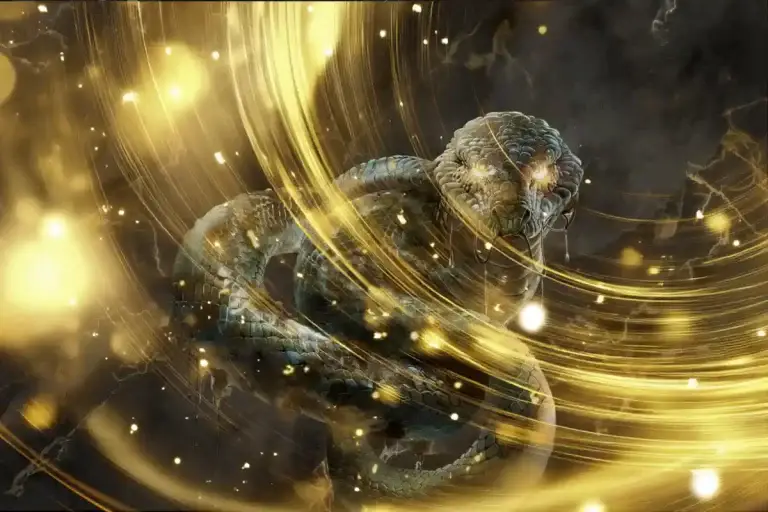
Quinotaur is a legendary creature from early medieval Frankish sources, described as a bull-like or sea-dwelling beast associated with royal myth and ancestry. According to later chronicles, the Quinotaur was linked to the Merovingian dynasty through a mysterious union, blending myth, propaganda, and symbolism. The creature represents divine legitimacy, transformation, and the merging of human and monstrous lineage in medieval storytelling.
Among the tangled depths of myth and monarchy lies a forgotten creature of monstrous legacy—the Quinotaur. This hybrid beast from Frankish mythology, whose name echoes with ancient dread and mystic wonder, is said to have fathered a royal bloodline through a union both unsettling and divine.
A bizarre fusion of bull and sea monster, it lurks not just in deep waters but in the very origin myth of the Merovingian dynasty. Though shrouded in obscurity, this mythical creature stands alongside legendary beasts and undead creatures as a vital thread in the fabric of European folklore and royal propaganda.
The Quinotaur - Sea Beast, Royal Bloodline, and the Birth of the Franks
Table of COntents
- Mythological Origins and Symbolism
- The Birth of the Merovingians
- Hybrid Monsters and Sea Creatures Across Cultures
- Cultural Echoes and Historical Interpretations
- Royal Myths and Divine Lineage in World Traditions
- The Legacy of a Mythical Progenitor
- Appearances in Modern Media
- Top Books, Games, and Movies Featuring Similar Creatures
- FAQ
The creature known in Frankish lore as the Quinotaur is one of those rare mythical entities that has left a colossal mark on history despite appearing only once in recorded literature. This mysterious figure emerges from the Chronicle of Fredegar, a 7th-century Frankish text. In just a few lines, it intertwines myth, royal ancestry, and divine mystery—claiming that a monstrous sea entity fathered Merovech, the semi-legendary founder of the Merovingian dynasty.
While many mythical creatures like the manticore or basilisk became pop culture staples, this aquatic progenitor has remained submerged in the depths of historical obscurity. Yet the Quinotaur’s story is as fascinating as any heroic legend or ancient urban myth.

Mythological Origins and Symbolism
The name of this hybrid entity is said to derive from Latin roots: quinque (five) and taurus (bull), meaning “five-horned bull.” Although no detailed physical description survives, many imagine it as a sea-dwelling bull-like creature—perhaps bearing five horns or other appendages with symbolic resonance.
Bulls have long represented virility, divine strength, and kingship in mythologies across Eurasia. From the sacred bulls of Mesopotamia to the venerated Minoan bulls of Crete, their symbolism stretches across millennia. To pair such a creature with aquatic attributes suggests chaos, fertility, and the primal forces of nature.
The number five may also hold significance. In esoteric traditions, five symbolizes the human microcosm (head, arms, and legs), the senses, or elemental balance. Combining these ideas, the Quinotaur becomes a mythic bridge between divine chaos and terrestrial power.
The Birth of the Merovingians
According to the Chronicle of Fredegar, the wife of King Chlodio (a semi-mythical Frankish king) was seduced—or violated—by a beast from the sea while bathing. From this strange union, Merovech (or Meroveus) was born. This narrative functioned not just as myth but as royal propaganda, suggesting Merovech’s bloodline was part human, part divine, and wholly unique.
This mirrors other cultural stories in which leaders are born from supernatural unions. Roman emperors claimed descent from Venus, Alexander the Great from Zeus-Ammon. The story of Merovech follows a similar pattern, reinforcing a divine right to rule through mythical ancestry.

Hybrid Monsters and Sea Creatures Across Cultures
Though the Quinotaur legend is obscure, the concept of sea-born hybrids appears globally.
- The Minotaur – While land-bound, echoes the bull-headed monstrosity with divine undertones.
- The Hippocamp – A Greek creature part horse, part fish, serves Poseidon and other sea deities.
- The Nuckelavee – From Orcadian myth, fuses man and horse in a skinless terror emerging from the sea.
Each hybrid symbolizes boundary-crossing—between worlds, elements, and mortal realms. The Frankish Quinotaur fits this lineage: a being of power, chaos, and transformation, whose brief mention carries mythic weight.
Disclosure: This post contains affiliate links. This means we may earn a commission should you chose to sign up for a program or make a purchase using our links at no extra cost to you. As an Amazon Associate, we earn from qualifying purchases. We do make sure to include our favorites and hope you enjoy them as much as we do!
Cultural Echoes and Historical Interpretations
The Quinotaur’s origin myth is often interpreted through the lens of medieval identity. Frankish rulers, straddling the pagan past and Christian future, needed compelling founding stories. The Quionotaur provided one that was dramatic, sacred, and removed from ordinary men.
Speculations around its five horns vary widely. Some scholars see them as symbolic of dominion over the senses or cardinal elements. Others argue it’s allegorical—representing foreign tribes or natural forces subdued by divine right.
Interestingly, this narrative was not widely adopted by Christian scribes. It remained largely pagan in tone, hinting at the older, oral traditions that were slowly being overwritten.

Royal Myths and Divine Lineage in World Traditions
The use of fantastical conception myths is hardly unique to Frankish legend. Cultures around the world have employed such tales to sanctify rule.
- Japan’s Emperor Jimmu was said to descend from Amaterasu, the sun goddess.
- Pharaohs of Egypt were often described as sired by gods in the form of animals.
- Greek myths are replete with divine unions—Perseus was the son of Zeus and Danaë, who conceived him as golden rain.
- Inca emperors claimed descent from Inti, the sun god, through legendary siblings who emerged from Lake Titicaca.
The Frankish tale fits into this global motif. Whether used for power or poetry, divine ancestry is a recurring tool in the construction of legacy.
The Legacy of a Mythical Progenitor
Despite the Quinotaur’s rarity in texts, this monstrous sire remains a potent emblem of transformation. It blends primal power with royal sanctity, forming a creature that is more than the sum of its parts.
Modern esoteric groups have resurrected its image in speculative theories. From Holy Grail conspiracies to bloodline lore involving secret societies, the Quinotaur often serves as a cipher for forgotten truths or suppressed histories.
It is precisely this ambiguity that gives the Quinotaur its mystique. With so few lines written, the imagination is free to wander—through shadowy waters and forgotten thrones.

Appearances in Modern Media
Appearances in Modern Media Although not a pop culture star, the sea beast makes occasional appearances:
- Occult thrillers and documentaries on divine bloodlines reference the creature symbolically.
- Fantasy novels and RPGs have adopted variations—often as bosses or god-beasts with regal or abyssal themes.
- Esoteric comics and podcasts exploring medieval symbolism sometimes mention it alongside other hybrid horrors.
The Quinotaurs role as a royal progenitor makes it compelling for myth-inspired storytelling. The lack of strict canon only broadens its creative potential.
Disclosure: This post contains affiliate links. This means we may earn a commission should you chose to sign up for a program or make a purchase using our links at no extra cost to you. As an Amazon Associate, we earn from qualifying purchases. We do make sure to include our favorites and hope you enjoy them as much as we do!
Sea Monsters - In The Movies
- Clash of the Titans – Titans and gods unleash beasts born of sea and myth.
- The Northman – Deals with ancestry, war, and legacy rooted in legend.
Sea Monsters - In Games
- The Witcher 3: Wild Hunt – Features monstrous sea entities echoing this legend’s chaos.
- Elden Ring – Hosts twisted, hybrid abominations in submerged ruins.
- Assassin’s Creed: Valhalla – Dips into Frankish and Norse legend alike.
Sea Monsters - In Literature
- Mythical Monsters by Charles Gould – A broad catalogue of legendary hybrids.

Join the Realm of Myth & Legend
Uncover new creature lore, rare folklore, fresh illustrations, and deeper mysteries from MythicalCreaturesandBeasts.
Success!
A new realm of myth and legend now awaits you — check your inbox for the final step.
FAQ
Q: What does the creature’s name mean?
A: It likely derives from Latin for “five-horned bull,” symbolizing strength and divine power.
Q: Is it a traditional monster in mythology?
A: No—the Quinotaur appears only once, in the Chronicle of Fredegar, blending pagan myth with royal propaganda.
Q: Why is it important?
A: It allegedly fathered Merovech, tying a ruling dynasty to supernatural origins.
Q: What did the Quinotaur look like?
A: Descriptions are scarce, but it’s imagined as a bull-like sea creature with multiple horns.
Q: Is there a connection to the Holy Grail legends?
A: In modern fiction, yes. The creature is often tied to Merovingian bloodlines and Grail conspiracies.
Q: Did Christians support the myth?
A: Not overtly. It likely survived from pre-Christian oral traditions.
Q: Are there artistic depictions?
A: Few historical ones exist, but modern illustrators have reimagined it in fantasy art and comics.
Q: Is the Quinotaur unique in world myth?
A: Its specifics are rare, but the theme of divine beast conception is common.
Q: Could it be metaphorical?
A: Some scholars believe so—symbolizing chaos, conquest, or foreign influence.
Q: Why only one mention in history?
A: Possibly because the myth did not align with dominant religious or political narratives.
The Quinotaur may not enjoy the fame of dragons or centaurs, but its story is no less significant. It offers a glimpse into the blend of mythology, politics, and symbolism that shaped Europe’s early medieval consciousness. Whether seen as a literal sea beast, a metaphor for conquest, or a bridge between man and god, it remains one of mythology’s most intriguing enigmas—a beast born of the waves, and father to kings.