Skip to content

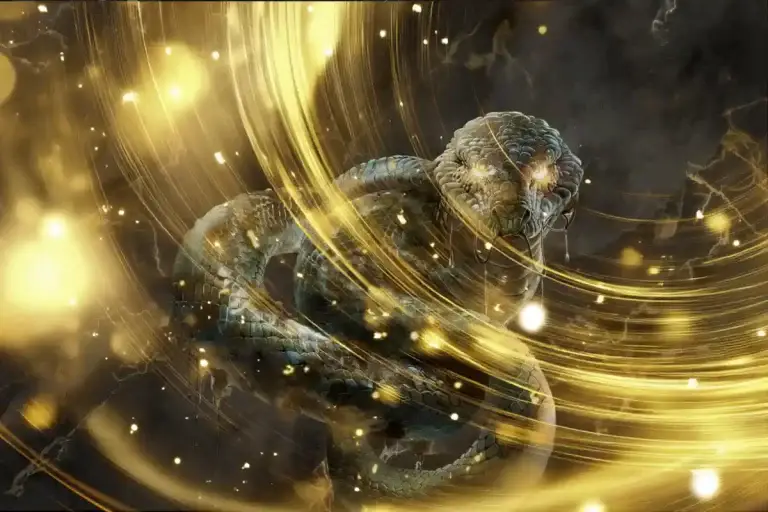
Medusa is a tragic figure from Greek mythology, once a mortal woman whose transformation into a Gorgon condemned her to isolation and fear. Cursed with a petrifying gaze, Medusa became both a monster and a victim of divine injustice, ultimately slain by Perseus and remembered as a symbol of power twisted by cruelty.
Medusa, one of the most infamous figures in Greek mythology, has captivated imaginations for centuries. Known for her serpentine hair and petrifying gaze, this legendary being belongs to the lineage of the Gorgons, terrifying sisters whose names alone struck fear into ancient storytellers.
Unlike many mythical creatures, she embodies both horror and tragedy—once a mortal woman, she was transformed into a monster through divine punishment. Her tale intertwines with gods, heroes, and mythical beasts, influencing art, literature, and even modern pop culture. To fully understand her legacy, one must also examine her sisters, the broader mythos of the Gorgons, her connection to the Graeae, and the strange offspring born from her death.
Medusa - The Serpent-Haired Gorgon of Greek Mythology
Table of Contents
- Origins and Family of Medusa
- Transformation from Woman to Monster
- The Gorgons – Stheno, Euryale, and Medusa
- The Curse of Athena
- Perseus and the Heroic Quest
- Death of the Gorgon and the Birth of Pegasus
- Chrysaor, Forgotten Lineages, and the Graeae Connection
- Blood of the Gorgon – Snakes Across the Desert
- Medusa in Ancient Art and Symbolism
- Influence on Literature and Modern Fictional Characters
- Comparisons to Other Mythical Beasts
- Medusa in Urban Myths and Popular Symbolism
- Top Movies, Games and Books
- FAQ
Origins and Family of Medusa
The roots of Medusa lie deep in the genealogies of Greek mythology. Her parents were the primordial sea deities Phorcys and Ceto, who birthed several terrifying offspring including sea monsters, hybrid creatures, and the infamous Gorgon sisters. Within this twisted family tree, she was unique – while her siblings were immortal, she was destined for mortality. This difference would ultimately shape her narrative, ensuring her vulnerability to heroic intervention.

Transformation from Woman to Monster
In some early accounts, Medusa was not always monstrous. She was described as a beautiful maiden whose beauty rivaled goddesses themselves. Her downfall came when Poseidon, the god of the seas, desired her. One version recounts their union within the sacred temple of Athena.
This deed, whether consensual or violent depending on the retelling, enraged the goddess. Rather than punish Poseidon, Athena turned Medusa’s flowing hair into serpents and gave her a gaze that turned mortals to stone. This transformed her from admired mortal into one of the most feared undead-like creatures of legend.
The Gorgons - Stheno, Euryale, and Medusa
Medusa was not alone in her cursed state. She had two sisters: Stheno and Euryale. Unlike their mortal sibling, they were eternal and far more savage. Ancient texts describe them with bronze claws, wings of gold, and tusks like boars. Together they were called the Gorgons, a trio of nightmarish beings who dwelt at the edges of the known world. While Medusa’s sisters were terrifying in their immortality, it was she who became central to myth, for her humanity made her vulnerable and relatable.

The Curse of Athena
The wrath of Athena is key to understanding the cursed maiden’s fate. Scholars often interpret this punishment as symbolic, representing women silenced by patriarchal deities. In art, Athena’s aegis shield bore the Gorgon’s head as both trophy and warning. Through this curse, Medusa became less a woman and more a weapon—her very existence reshaped to instill fear.
Perseus and the Heroic Quest
The most famous tale involving Medusa is her encounter with Perseus, son of Zeus and Danaë. Sent on a near-impossible mission to retrieve the Gorgon’s head, Perseus was aided by divine gifts: winged sandals from Hermes, a reflective shield from Athena, and a curved blade from Hephaestus.
He also sought the guidance of the Graeae—three ancient sisters who shared a single eye and tooth. These women were relatives of Medusa and her Gorgon sisters, acting as keepers of hidden knowledge. By tricking them, Perseus learned the path to the Gorgons’ lair. Using Athena’s shield as a mirror, he approached the slumbering Medusa. With one swift strike, he decapitated her, sparking the release of extraordinary beings.

Death of the Gorgon and the Birth of Pegasus
From the severed neck of Medusa emerged Pegasus, the winged horse of dazzling white. Alongside him was Chrysaor, a warrior often overshadowed in mythic retellings. The birth of these beings reflects the duality of destruction and creation in mythology—her death did not end her influence but instead gave rise to creatures that shaped other heroic tales. Pegasus would go on to serve heroes and gods, symbolizing freedom, swiftness, and divine inspiration.
Chrysaor, Forgotten Lineages, and the Graeae Connection
While Pegasus became a celebrated steed, Chrysaor was often overlooked. He was said to be a mighty warrior who fathered monstrous descendants of his own. Through him, the legacy of Medusa extended into later myths of hybrid creatures and strange bloodlines.
His role further links to the Graeae, since both the Gorgons and the Graeae were daughters of Phorcys and Ceto. These two sets of siblings embody different aspects of dread: the Graeae as ancient crones of wisdom and the Gorgons as embodiments of divine punishment.

Blood of the Gorgon - Snakes Across the Desert
Even after death, Medusa’s body produced wonders and terrors. Drops of her blood were said to hold magical properties. According to one myth, as Perseus flew across the Libyan desert with her head, droplets of blood fell onto the sands. From those drops sprang venomous serpents that would plague the region forever.
Among them was the Amphisbaena, a two-headed snake—one at each end of its body—believed to have been born from this dark miracle. Thus, the Gorgon’s influence lived on, her essence seeding the world with new mythical beasts.
Medusa in Ancient Art and Symbolism
Medusa’s image was frequently carved onto shields, doors, and armor in ancient Greece. Far from being merely decorative, her visage acted as a protective emblem known as the Gorgoneion. Warriors believed her head could ward off evil, making her both terrifying and revered. This paradox of a cursed woman becoming a symbol of defense highlights her complex role in mythology.

Influence on Literature and Modern Fictional Characters
Over the centuries, Medusa has inspired countless fictional characters. Renaissance poets described her as tragic rather than monstrous, emphasizing her victimhood. In fantasy novels, modern comics, and even urban myths, serpent-haired women appear as echoes of her story. She embodies a bridge between mythical beasts and human tragedy, influencing characters ranging from monstrous villains to sympathetic anti-heroines.
Comparisons to Other Mythical Beasts
Medusa belongs to a broader tradition of monster-women in mythology. She can be compared to Lamia, a devourer of children cursed by Hera, or Echidna, mother of legendary monsters like Cerberus and the Hydra. Unlike these immortal horrors, however, her humanity and mortality set her apart. She was not just a nightmare creature, but also a cautionary tale of divine retribution.
Disclosure: This post contains affiliate links. This means we may earn a commission should you chose to sign up for a program or make a purchase using our links at no extra cost to you. As an Amazon Associate, we earn from qualifying purchases. We do make sure to include our favorites and hope you enjoy them as much as we do!
Medusa in Urban Myths and Popular Symbolism
In modern times, this cursed maiden has transcended her mythological roots to become part of urban symbolism. She represents rage, feminine power, and resistance against oppression. Feminist movements have reclaimed her image as an icon of resilience. At the same time, horror films and fantasy games reimagine her as a deadly adversary, blending old lore with new creativity.

Medusa - In The Movies
- Clash of the Titans (1981) – A classic depiction of the Gorgon battle, using groundbreaking stop-motion animation.
- Clash of the Titans (2010) – A modern reimagining with CGI, showing Medusa in a more monstrous form.
- Percy Jackson & the Olympians: The Lightning Thief (2010) – Features a reinterpretation of the myth in a contemporary fantasy setting.
Medusa - In Games
- Assassin’s Creed: Odyssey – Players battle a fearsome Gorgon deep in ancient ruins.
- God of War Series – Features enemies inspired by serpent-haired monsters that petrify with their gaze.
- Dungeons & Dragons – Includes medusa-like creatures as iconic enemies in tabletop campaigns.
Medusa - In Literature
- Metamorphoses by Ovid – An ancient Roman text preserving one of the earliest full accounts of her curse.
- The Gorgon’s Head (Nathaniel Hawthorne) – A 19th-century retelling aimed at younger readers.
- Circe by Madeline Miller – While not centered on Medusa, it reimagines Greek myths with similar tragic depth.
Disclosure: This post contains affiliate links. This means we may earn a commission should you chose to sign up for a program or make a purchase using our links at no extra cost to you. As an Amazon Associate, we earn from qualifying purchases. We do make sure to include our favorites and hope you enjoy them as much as we do!

Join the Realm of Myth & Legend
Uncover new creature lore, rare folklore, fresh illustrations, and deeper mysteries from MythicalCreaturesandBeasts.
Success!
A new realm of myth and legend now awaits you — check your inbox for the final step.
FAQ
Q: Was Medusa always a monster?
A: No, some accounts describe her as once being a beautiful maiden before Athena’s curse transformed her.
Q: Who were her parents?
A: She was the daughter of the sea deities Phorcys and Ceto.
Q: How many Gorgons were there?
A: Three—Stheno, Euryale, and Medusa. Only Medusa was mortal.
Q: Why did Athena punish Medusa instead of Poseidon?
A: Interpretations vary, but ancient stories often reflect divine favoritism and injustice.
Q: What creatures were born from her death?
A: Pegasus the winged horse and Chrysaor the warrior.
Q: How did Perseus avoid being turned to stone?
A: He used a reflective shield gifted by Athena to see the serpent-haired figure indirectly.
Q: What did people do with images of her head?
A: They used the Gorgoneion as a protective symbol on armor and buildings.
Q: What role does Medusa play in modern culture?
A: She appears in films, video games, books, and even as a feminist icon.
Q: What is the difference between Medusa and her sisters?
A: Stheno and Euryale were immortal; she was mortal and thus could be slain.
Q: What creatures were said to be born from her blood?
A: Aside from Pegasus and Chrysaor, myths say her spilled blood birthed venomous serpents, including the Amphisbaena.