Skip to content

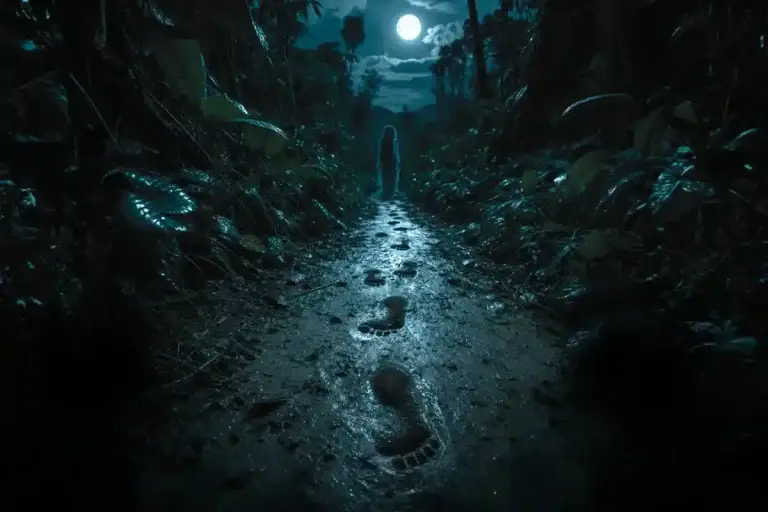
Camazotz, a feared figure in Maya legend, is said to emerge from the darkness of Xibalba—testing mortals through fear, sacrifice, and the unseen forces of death.
More than a creature of fear, Camazotz represents a sacred threshold—where life, death, and the underworld begin to overlap.
Known across ancient Maya lore by several names, this winged entity is remembered as both a bringer of death and an enforcer of the underworld. Feared as a god of blood and sacrifice, this hybrid creature emerged from the shadows of Xibalba to carry out divine punishment and maintain cosmic balance. A mythic beast, feared demon, and legendary servant of the gods, Zotzilaha Chamalcan bridges the worlds of fictional characters, urban myths, and supernatural folklore in ways both ancient and eerily timeless.
Camazotz - The Bat God of Death and the Underworld
Table of Contents
- Origins of Camazotz in Mayan Mythology
- Description and Powers
- Camazotz and the Underworld of Xibalba
- The Fall of a Mayan Race
- Camazotz in the Popol Vuh
- Symbolism, Bats, and Ritual Fear
- Historical and Archaeological Context
- Camazotz Compared to Other Undead or Hybrid Creatures
- Camazotz in Modern Pop Culture
- Top Movies, Games & Books Featuring Camazotz
- FAQ
Origins of Camazotz in Mayan Mythology
Camazotz, whose name means “death bat” (kame = death, zotz = bat in the K’iche’ Maya language), originates from the sacred Mayan book Popol Vuh. This creature was believed to dwell deep within the underworld realm of Xibalba, where he served as both guardian and executioner. He was not just one creature, but in some stories, an entire race of bat-like death gods or demons.
Ancient Mayan mythology is rich with tales of gods, monsters, and cosmic punishments—and Zotzilaha Chamalcan remains one of the most feared beings within those narratives. He emerged as a symbol of divine retribution and the price of disobedience to the gods.

Description and Powers
This hybrid creature is described as a gigantic humanoid bat, sometimes standing over six feet tall with vast leathery wings, glowing eyes, and a snarling mouth filled with razor-sharp fangs. His claws could rend flesh from bone, and his screech was said to cause madness or death in those who heard it.
His abilities include:
- Blood-drinking: Much like a vampire, he fed on the blood of humans and animals, often leaving entire villages drained.
- Nocturnal flight: He would only appear at night, flying in total silence and attacking without warning.
- Daytime concealment: Some legends say he turned to stone by day, hiding in temples or cliffs to avoid detection.
- Commanding infernal armies: In some stories, he led death spirits and bat demons in battle against rebellious humans or rival gods.
Disclosure: This post contains affiliate links. This means we may earn a commission should you chose to sign up for a program or make a purchase using our links at no extra cost to you. As an Amazon Associate, we earn from qualifying purchases. We do make sure to include our favorites and hope you enjoy them as much as we do!
Camazotz and the Underworld of Xibalba
Xibalba was the dark, dangerous underworld ruled by death gods. It was a place of tests, illusions, and monstrous guardians. Among the most feared entities of this realm was Camazotz, who lived in Zotzilaha, also called “The House of Bats.”
This place was filled with giant bat demons, and Zotzilaha Chamalcan was their overlord. His domain was not just symbolic of death—it was death incarnate. He ensured that only the worthy passed through Xibalba, while others met violent ends at his claws.

The Fall of a Mayan Race
According to ancient lore, one race of early humans rebelled against the gods, refusing to offer blood sacrifices. Angered by their defiance, the gods opened the gates of Xibalba and unleashed the demon bat upon them.
The bat swept across the land, devastating entire populations, sucking the blood from both humans and animals. His wings cast darkness across the skies, and his claws struck faster than any warrior could react. It’s said this genocide was so complete that the gods had to create a new race of humans—one more obedient and willing to worship.
Camazotz in the Popol Vuh
The Popol Vuh, a foundational text in K’iche’ Maya mythology, features Camazotz in the mythic journey of the Hero Twins, Hunahpú and Xbalanqué. During their descent into the underworld, they face a series of deadly trials. One of the most horrific is the House of Bats, where the bat king and his minions lurk.
As the story goes, the twins must spend the night in the bat-infested cave. When Hunahpú lifts his head to check the sky, Zotzilaha Chamalcan swoops down and bites it off, killing him instantly. His decapitation serves as a terrifying warning about the power of the bat god and the dangers that awaited mortals who dared challenge the divine.
Symbolism, Bats, and Ritual Fear
In Mayan culture, bats were not seen as harmless animals. They were connected with:
- Caves, which symbolized entrances to the underworld.
- Blood and death, due to their nocturnal nature and association with decay.
- Sacrifice, a central theme in Mayan spirituality.
Zotzilaha Chamalcan was the embodiment of these ideas. He was not only feared for his appearance and power but for what he represented—the absolute dominance of the gods and the ever-present threat of annihilation for disobedience.
In certain regions, rituals and offerings were made to bat deities or spirits to avoid disease, disaster, or invasion. This suggests a deeper cultural reverence wrapped in dread.
Historical and Archaeological Context
Though there are few direct depictions labeled as “Camazotz,” bat imagery appears frequently in Mesoamerican art, particularly in Mayan and Zapotec cultures. Pottery shards, carved masks, and temple motifs often show bat-like figures with fangs, wings, and humanoid features.
Archaeologists have discovered such depictions in sites across Guatemala and Chiapas, reinforcing the idea that bat deities or spirits were an accepted part of the religious and mythological landscape. Some scholars believe Zotzilaha Chamalcan may have been inspired by real creatures like the spectral bat (Vampyrum spectrum), a large carnivorous bat known for its eerie screeches and nocturnal hunting habits.

Camazotz Compared to Other Undead or Hybrid Creatures
- Wendigo (Algonquian folklore)
Like Camazotz, the Wendigo is an undead creature associated with death and cannibalism. However, while Zotzilaha Chamalcan is a divine enforcer acting under the will of the gods, the Wendigo is a cursed human consumed by hunger and greed. - Manananggal (Philippine folklore)
This terrifying female vampire detaches from her lower body and flies at night to drink blood. Similar to Camazotz in her nocturnal predation, but Manananggal is a lone predator, not a god, and lacks a connection to the underworld. - Chimera (Greek mythology)
A fire-breathing hybrid with a lion’s head, a goat’s body, and a serpent’s tail. While Camazotz is a singular bat-human hybrid with a consistent appearance, the Chimera combines multiple animals and represents chaos more than divine punishment. - Strigoi (Romanian legend)
A type of undead vampire that rises from the grave to drain life from the living. While both are blood-drinkers, Strigoi are more spectral and humanlike, whereas Camazotz is physically monstrous and mythically tied to godly wrath. - Jorōgumo (Japanese mythology)
A spider-woman hybrid who lures and devours men. Like Camazotz, she uses deception and lives in hidden places, but she serves no greater cosmic function—Zotzilaha Chamalcan enacts divine will, while Jorōgumo serves personal hunger.
Camazotz in Modern Pop Culture
Although not as mainstream as Greek or Norse figures, this bat king has found a home in comics, video games, speculative horror, and dark fantasy:
- DC Comics – A vampiric interpretation of Batman based on Camazotz appears in the “Gods and Monsters” alternate universe.
- Smite – Camazotz is a playable god, complete with bat-based powers, stealth, and blood-stealing mechanics.
- Tomb Raider – The game Shadow of the Tomb Raider incorporates Mayan temples and enemies clearly inspired by Camazotz-like figures.
- Kaiju/Monster fiction – Fan interpretations and monster-based series have reimagined the Mayan bat king as a kaiju-level monster with divine wrath powers.
This hybrid creature’s legacy continues to evolve through modern horror, where myth meets imagination.

Camazotz remains one of the most haunting figures in world mythology. Not merely a monster, he was a weapon of the gods, a shadow that reminded humanity of its fragile place in the cosmos. As both an undead being and a mythological hybrid, he embodies the fears of ancient civilizations and the enduring power of dark storytelling.
From the Popol Vuh to modern games, this royal bat continues to inspire awe and terror. His wings, once feared by torchlight, now soar through pop culture—an ancient legend refusing to fade.
Camazotz - In The Movies
- Justice League: Gods and Monsters (2015) – Camazotz-inspired take on Batman as a vampiric enforcer.
- Nightwing (1979) – Vampire bat horror thriller set on Native land, echoing Camazotz themes.
- The Bat (1959) – While not Mayan, this film captures the horror and suspense of bat-based killers.
Camazotz - In Games
- Smite – Features Camazotz as a playable god with lifesteal and echo-locating bat powers.
- Shadow of the Tomb Raider – Camazotz-inspired crypts, enemies, and temple environments.
- Total War: Warhammer (mods) – Features bat gods in fantasy campaigns inspired by Zotzilaha Chamalcan.
Camazotz - In Literature
- Popol Vuh (translated editions) – The core text where Camazotz first appears.
- Maya Gods and Monsters by Michael D. Coe – Detailed look into Mayan deities including the bat god.
- Gods and Heroes of Ancient Mexico by Fernando Horcasitas – Rich exploration of Mexico’s mythic figures, including Camazotz.
Disclosure: This post contains affiliate links. This means we may earn a commission should you chose to sign up for a program or make a purchase using our links at no extra cost to you. As an Amazon Associate, we earn from qualifying purchases. We do make sure to include our favorites and hope you enjoy them as much as we do!

Join the Realm of Myth & Legend
Uncover new creature lore, rare folklore, fresh illustrations, and deeper mysteries from MythicalCreaturesandBeasts.
Success!
A new realm of myth and legend now awaits you — check your inbox for the final step.
FAQ
Q: Was Camazotz a god, demon, or monster?
A: All three. He was a divine being sent by the gods, a monstrous predator, and an agent of punishment—making him one of the most complex figures in Mayan lore.
Q: Did the bat king really exist in ancient worship?
A: While direct worship is uncertain, his name and role are recorded in the Popol Vuh, and bat imagery was spiritually significant in Mesoamerican cultures.
Q: How does Zotzilaha Chamalcan compare to European vampires?
A: He is more primal and godlike. Unlike European vampires who often act in secrecy, Camazotz destroyed civilizations and served divine judgment.
Q: What modern animals might have inspired the myth?
A: The spectral bat or false vampire bat, large predatory species native to Central America, likely played a role in shaping his image.
Q: Is Camazotz still relevant today?
A: Absolutely. He continues to appear in modern media and serves as a symbol of ancient terror, divine punishment, and the enduring power of myth.